

Choosing the right care or living arrangement for an elderly loved one, or planning for your own future, is one of the most important decisions a family can make. With terms like residential care, nursing care, and assisted living often used interchangeably, it can be confusing to understand what each choice genuinely offers.
At Stairlifts & Mobility Solutions, we regularly speak with individuals and families who want to maintain their independence, dignity, and comfort at home. While many people assume that declining mobility automatically means moving into a residential or care home, staying at home with the right home adaptations is often a deeply comforting, viable first choice.
This guide explores the key differences between residential care, nursing care, and assisted living, while highlighting how home mobility solutions can help you or your loved one stay safely in the home you love for longer.
What is Residential Care?

Residential care homes provide 24-hour personal care and supervision in a structured, supportive group environment. This option is typically suited for elderly individuals who can no longer live independently and require daily assistance.
Residential care usually includes:
- Assistance with washing, dressing, and personal hygiene
- Medication administration
- Nutritional meals and hydration support
- Continuous supervision and companionship
For families facing decisions around cognitive decline or dementia, residential dementia care offers peace of mind with round-the-clock staffing in a familiar, structured setting. However, it does mean leaving a cherished family home.
What is Assisted Living?
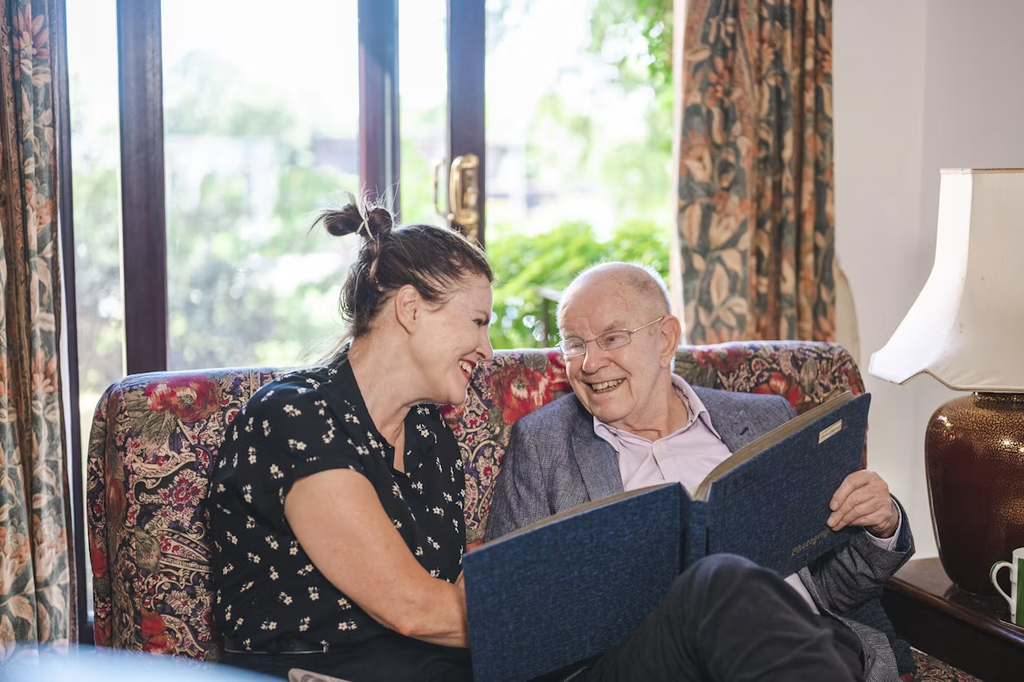
Assisted living is generally designed for older adults who remain largely independent but benefit from a helping hand with routine household tasks. Residents usually live in self-contained apartments within a managed community.
Assisted living commonly offers:
- Meal preparation and light housekeeping
- Medication reminders
- Occasional personal care
- Access to communal social areas
While assisted living provides a step down from full residential care, it still requires relocating from a long-term home and can involve considerable monthly fees.
What is Nursing Care?
Nursing homes are designed for individuals with complex medical needs who require ongoing clinical oversight delivered directly by registered nurses on-site at all times. This includes advanced physical health conditions, specialised medical equipment, or intensive clinical interventions.
While essential for complex medical requirements, nursing care can sometimes feel institutional and may offer more clinical intervention than what an individual actually needs if their main challenge is simply mobility or minor daily assistance.
The Alternative: Staying Independent at Home with Mobility Solutions
For many older adults, the desire to remain in their own home, surrounded by familiar memories, neighbours, and community, is paramount. Often, the trigger for exploring care homes is not a loss of cognitive ability, but rather physical barriers around the house, such as struggling with stairs or navigating multi-floor living.
Fortunately, modern home adaptations can bridge the gap, transforming a house into a safe, accessible sanctuary without the disruption of moving.
1. Stairlifts: Reclaiming Multi-Floor Access
Struggling with the stairs is one of the primary reasons families begin looking into single-level living or care options. Installing a bespoke straight or curved stairlift eliminates this barrier entirely, allowing safe, smooth travel between floors at the touch of a button. For many, a stairlift instantly preserves the entire use of their home.
2. Home Lifts and Through-Floor Lifts
For wheelchair users or those looking for a stylish, compact alternative to a stairlift, a through-floor home lift provides effortless multi-floor access. These modern lifts blend seamlessly with home décor and offer a dignified way to move between levels.
3. Bathroom Adaptations and Bath Lifts
Bathrooms can be high-risk areas for slips and falls. Introducing a powered bath lift, walk-in shower, or strategically placed grab rails restores confidence and safety to daily routines, reducing the physical strain on both the individual and visiting family caregivers.
Making the Right Choice for Your Family
Every individual’s circumstances are unique. When physical health is stable but mobility around the home is becoming a challenge, investing in home mobility solutions can delay or entirely eliminate the need for a move into residential care. It empowers individuals to stay where they feel happiest, most secure, and most independent.
If you are exploring ways to make your home safer, or want honest, expert advice on which mobility aids, from stairlifts to home lifts, can support your independence, contact our friendly team at Stairlifts & Mobility Solutions today on 08000 025065 or email us at sales@stairliftsandmobilitysolutions.com. We are always here to help you take the first step towards greater comfort and freedom at home.